Arranger Keyboards Lessons One musician, full-band sound.
An arranger keyboard puts a complete band at your fingertips. You play chords with your left hand and the keyboard generates bass lines, drum patterns, and accompaniment figures that follow your harmony in real time. Your right hand plays melody, improvises, or adds solo fills. The result is a one-person performance that sounds like a full ensemble. This is not a gimmick - it is a serious performance format used by professional solo entertainers worldwide, and playing it well requires specific skills that no other keyboard context demands.
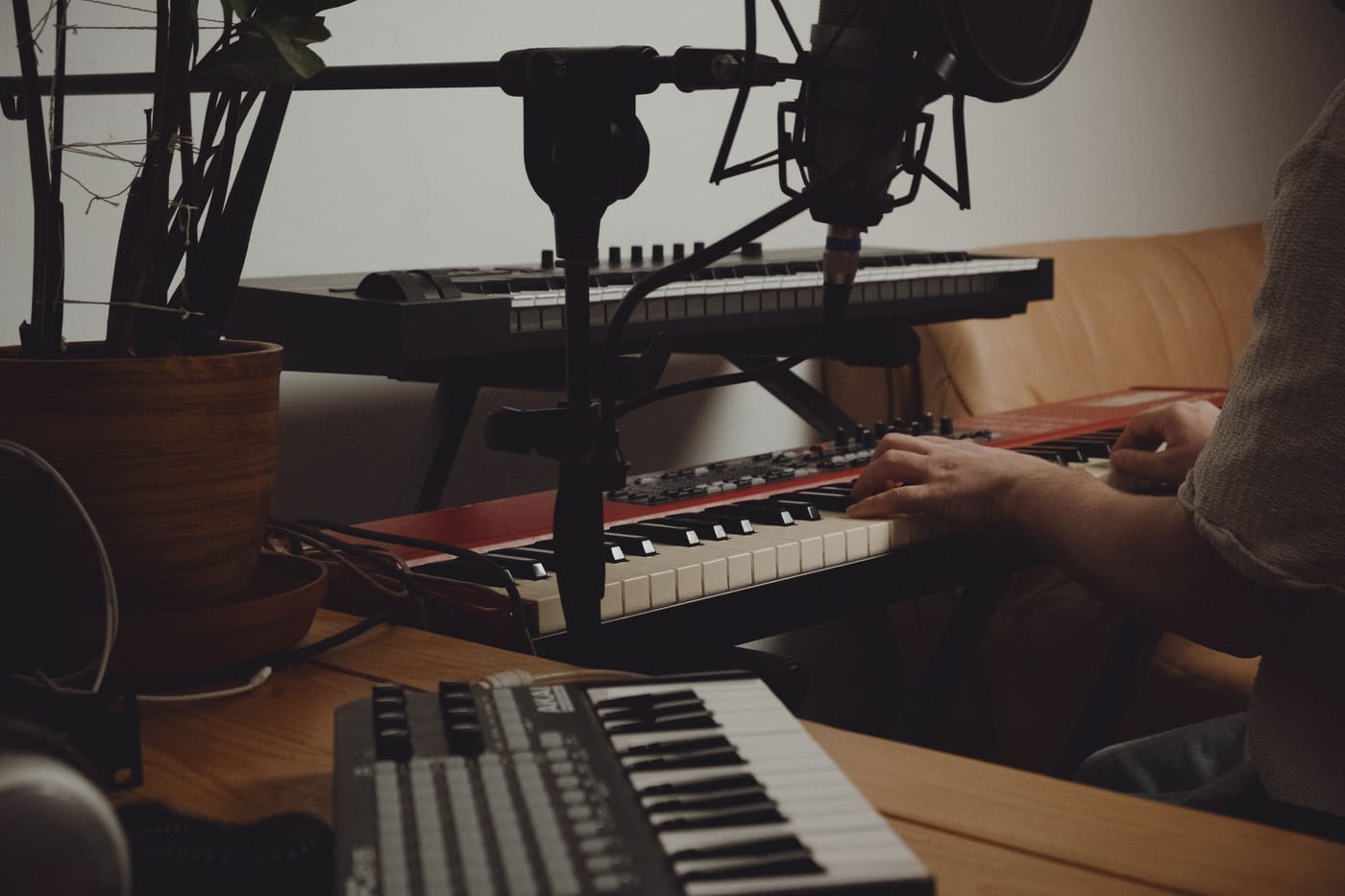
The arranger keyboard is the ultimate solo performance instrument. One musician, complete control over harmony, rhythm, and arrangement - all in real time.
Where every Arranger Keyboards student begins
Arranger keyboard students typically fall into two groups: pianists who want to expand into solo performance, and adults who are drawn specifically to the arranger format because it lets one person create a complete musical experience. Both starting points are valid, but they require different initial approaches. The evaluation identifies which foundation is in place and which skills need building.
We assess chord knowledge, rhythmic feel, and - most importantly - the ability to manage multiple musical tasks simultaneously. Arranger keyboard playing is inherently multitasking: you are controlling the style engine with your left hand, playing melody or fills with your right, managing transitions and fills with buttons and footswitches, and listening critically to the overall sound. The evaluation tells us how close a student is to managing this workload and where the gaps are.
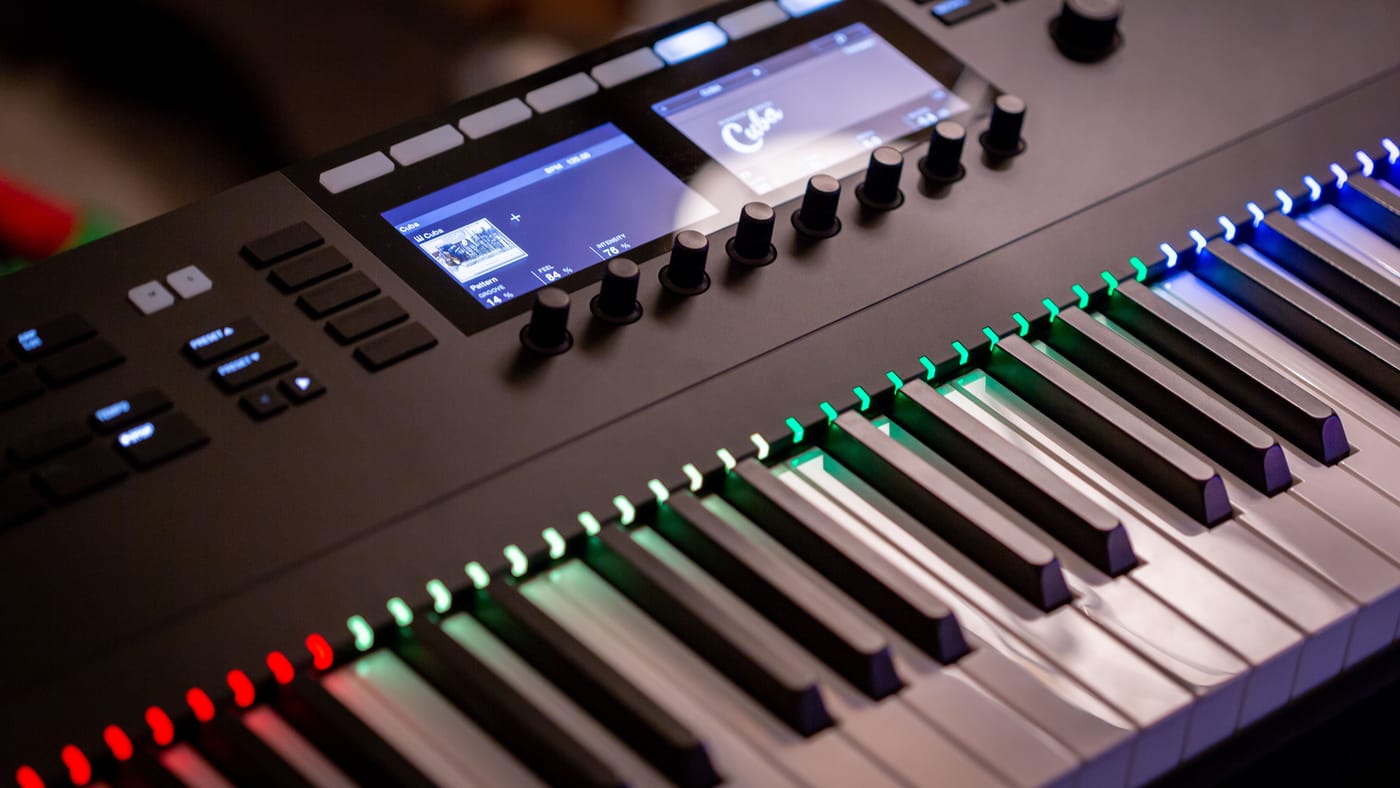
Mastering the left-hand chord detection, style transitions, and fill controls transforms an arranger keyboard from a toy into a professional performance instrument.
Who takes Arranger Keyboards lessons here
Young beginners
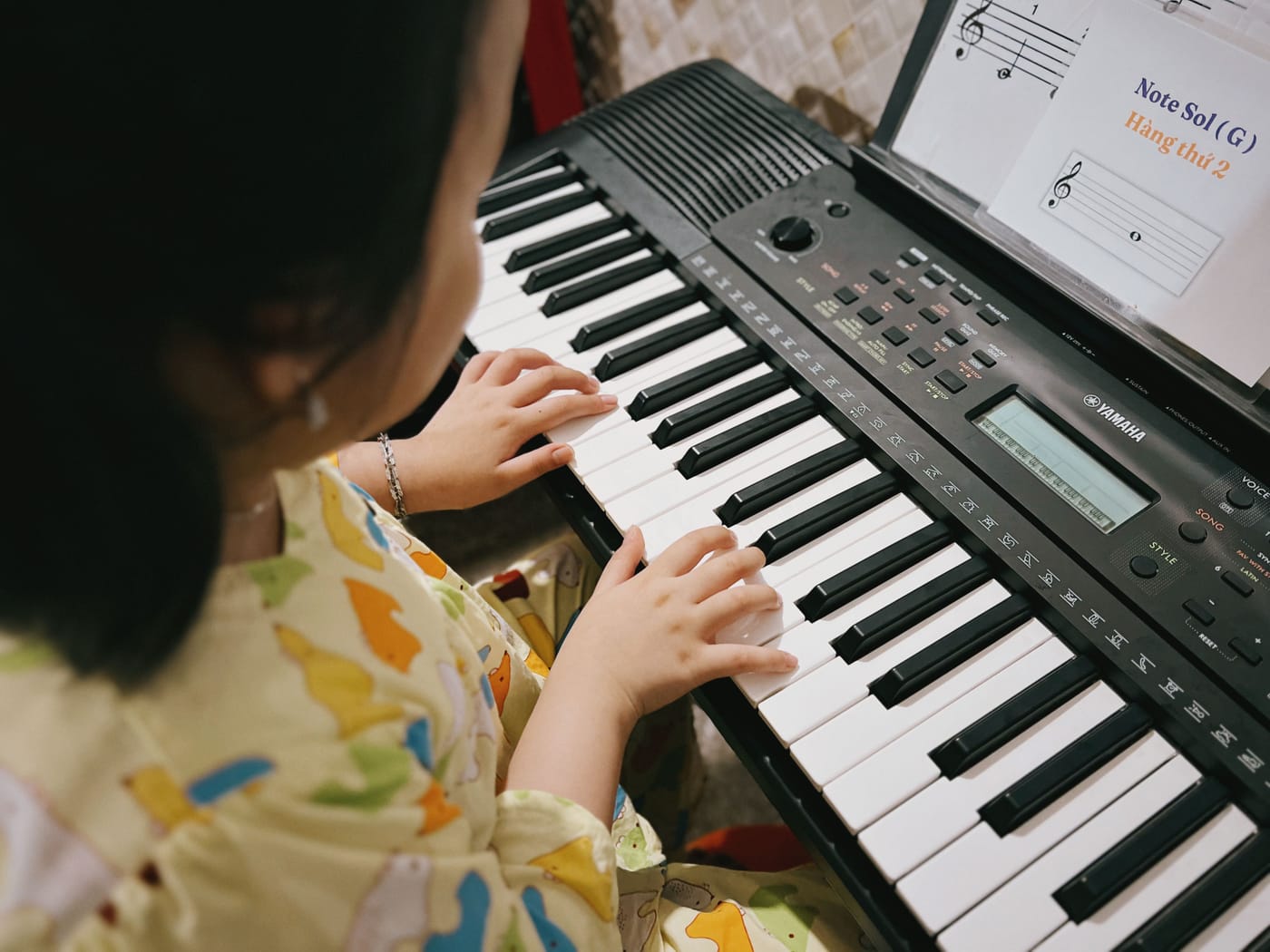
Ages 12 and up. The arranger keyboard is an excellent motivational instrument for students who want to hear full musical results quickly. Beginners start with basic chord shapes, simple style selection, and one-finger chord mode before progressing to full-fingered chords. The immediate reward of hearing a full band respond to your playing keeps motivation high through the early technical work.
Advancing students
Students with basic keyboard skills who want to develop into competent solo performers. The curriculum moves into style editing, registration memory programming, multi-pad use, and live performance skills - managing set lists, transitions between songs, and real-time arrangement decisions. This is where arranger keyboard playing becomes genuinely sophisticated.
Adult learners
Adults who want to play full-sounding music at home, at family gatherings, or at community events - without needing to assemble a band. Many adult arranger students are retirees who have always wanted to make music and find the arranger format deeply satisfying. The learning curve is manageable, the results are immediate, and the ceiling is as high as you want to take it.
What the curriculum covers
Arranger keyboard instruction develops the specific skills required to use auto-accompaniment features musically - not as a crutch, but as a performance tool. The sequence builds from basic chord-and-style operation to professional-level solo performance.
Chord recognition modes - Understanding how the arranger detects chords - single-finger, fingered, full keyboard, AI chord - and which mode suits which playing level and context. Getting this right from the start prevents frustration.
Style selection & management - Choosing appropriate styles for each song, understanding the difference between main variations (A, B, C, D), and using intros, fills, and endings to create musical structure. The style is your band - you need to know how to direct it.
Left-hand chord technique - Playing clean, accurate chords that the arranger engine reads correctly. Inversions, slash chords, and extended chords - understanding what the engine hears and how to get the harmony you want. Grounded in music theory fundamentals.
Right-hand melody & fills - Playing lead melody, improvising fills between phrases, and adding solo passages. The right hand is where your personal musicianship shows - the left hand runs the band, but the right hand is you.
Registration memory - Programming and recalling complete setups - style, tempo, sound assignments, effects, splits - with a single button press. Essential for live performance where changing settings between songs must be instantaneous.
Style editing & customization - Modifying built-in styles - changing drum patterns, adjusting instrument volumes, replacing sounds, creating custom variations. This is what separates a player who sounds like a preset from one who sounds like a musician.
Multi-pad performance - Using multi-pads for audio phrases, one-shot fills, and rhythmic accents during performance. Adds a layer of expression that audiences notice. Practice timing with our metronome.
Live performance skills - Set list management, song transitions, microphone integration, and audience interaction. The practical skills that turn a bedroom player into a confident solo performer.
How we teach Arranger Keyboards
The first month focuses on the fundamental interaction: left-hand chords driving the style engine while the right hand plays simple melodies. We start with songs the student actually wants to play, using appropriate styles from the keyboard’s built-in library. Even in the first lesson, students hear their chords backed by a full rhythm section - and that moment of hearing a complete band respond to your hands is consistently the point where motivation locks in.
By month three, students are playing through complete songs with confident style and variation changes, appropriate fills, and clean transitions. The focus shifts from “making it work” to “making it musical” - choosing the right variation for each section, timing fills naturally, and beginning to develop a personal performance style.
By month six, advancing students are programming registration memories for their song sets, editing styles to suit their preferences, and working on the live performance skills that make solo keyboard shows compelling - audience engagement, smooth transitions between songs, and the confidence that comes from knowing your instrument completely.
Latin, jazz, pop, country, classical, world music - every genre at your fingertips
The arranger keyboard is the most genre-versatile instrument in existence. A single instrument can convincingly produce Latin rhythms, swing jazz, country ballads, rock grooves, Middle Eastern modes, and classical orchestrations. The styles are built in - what the player brings is the harmonic knowledge, melodic skill, and musical taste to use them effectively.
Students choose the genres that interest them, and the curriculum develops the specific chord progressions, melodic idioms, and performance conventions of those styles. A student focused on Latin music develops different left-hand patterns than one focused on jazz standards or pop ballads. The arranger keyboard adapts to all of it - the curriculum adapts to the student.
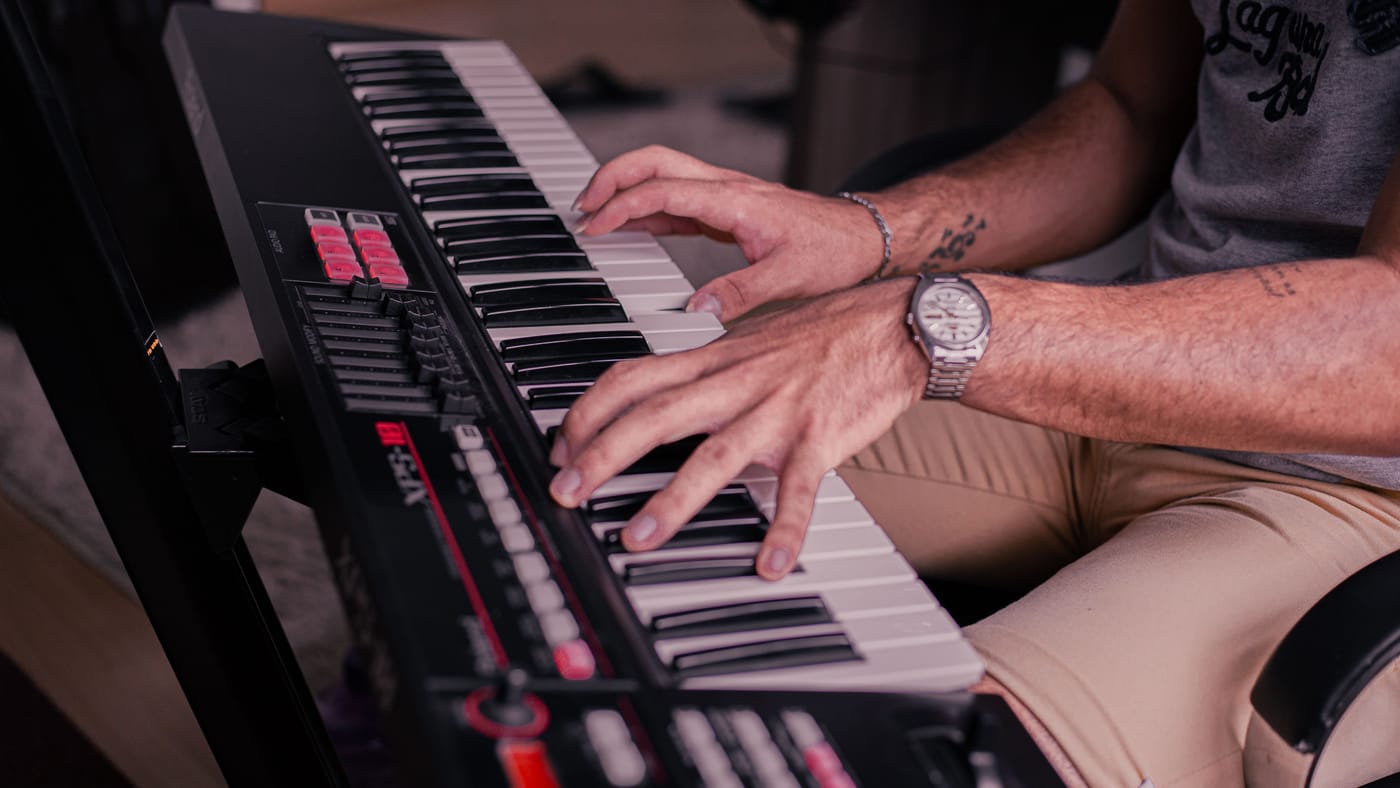
From Latin rhythms to swing jazz to country ballads - the arranger keyboard covers every genre. The skill is knowing which style to choose and how to shape it to fit the song.
Choosing an arranger keyboard
The three major arranger keyboard families are Yamaha PSR-S and SX series, Korg Pa series, and Roland E-A and BK series. Each has strengths - Yamaha for natural-sounding styles, Korg for Middle Eastern and Mediterranean music, Roland for versatile sound quality. We recommend bringing your keyboard to the evaluation or discussing your budget and goals so we can advise on the right instrument. Entry-level arrangers start around $300; professional models run $2,000–$4,000. The built-in styles and sounds matter enormously in this category - more than in any other keyboard type.
Arranger keyboards and broader musicianship
Arranger keyboard study develops harmonic awareness rapidly because you hear the consequences of your chord choices immediately - the entire band responds to what your left hand plays. This makes music theory concrete in a way that few other instruments can. Students who combine arranger keyboard study with piano lessons develop stronger technique; those who add ear training develop the ability to figure out songs by ear faster.
The arrangement skills developed through style selection and editing transfer directly to songwriting, production, and ensemble direction. Understanding how a full band arrangement works - which instruments play when, how parts interact, where to leave space - is valuable knowledge regardless of what instrument you ultimately focus on.
Practice tools for arranger keyboards students
Free interactive tools - no login required. Use them every day.
Is an arranger keyboard a real instrument or just a toy?
A professional arranger keyboard is absolutely a real instrument. The built-in styles and auto-accompaniment features are sophisticated musical tools used by professional solo performers worldwide - in restaurants, hotels, cruise ships, private events, and concert halls. Playing one well requires genuine harmonic knowledge, rhythmic control, and real-time musical decision-making. The barrier to entry is lower than many instruments, but the ceiling is very high.
Do I need previous keyboard experience?
No. The arranger keyboard is actually an excellent starting instrument for adults because the auto-accompaniment provides immediate musical context for even simple chord shapes. You hear a full band responding to your playing from the first lesson. Previous keyboard experience accelerates progress, but it is not required.
Can I learn arranger keyboard online?
Yes. Chord technique, style selection, registration programming, and song arrangement all work well in online lessons. We can see your hands and hear your playing clearly through video. The one area that benefits from in-person instruction is initial setup and sound design - getting your specific keyboard configured optimally. After that, online works beautifully.
Which arranger keyboard brand should I buy?
Yamaha, Korg, and Roland each have strengths. Yamaha PSR-SX series offers the most natural-sounding auto-accompaniment styles. Korg Pa series excels with Middle Eastern and Mediterranean music styles. Roland E-A series provides versatile sound quality across genres. We recommend discussing your musical goals and budget at the evaluation before purchasing - the right keyboard depends entirely on what you want to play.
From first chords to confident solo performance - arranger keyboard students hear a full band respond to their playing from the very first lesson.
StylesAll genres - Latin, jazz, pop, country, classical, world music
First step30-min private evaluation
PricingDiscussed on call
The right place to begin.
The evaluation is 30 minutes. No commitment, no pressure. We tell you exactly where you are and what the right path forward looks like - for this student, at this level, with these goals.
Soul Music Lessons offers private and group arranger keyboards instruction across Alpharetta, Johns Creek, Suwanee, Cumming, Roswell, Milton, Duluth, Norcross, Peachtree Corners, Sandy Springs, Dunwoody, Sugar Hill, Buford, Woodstock, and the broader North Metro Atlanta area. Online arranger keyboards lessons available worldwide. Schedule your evaluation.